One of my most popular #FetishFridays segments is on Adult Baby Diaper Lovers as a “fetish” (remember, we use that term loosely around just fun, fetish-y, fantasy, and fantastic sex play”). With over 10,000 views and counting, its the most viewed YouTube video I have on my channel- which begged me to write a blog around Adult Babies and Diaper Lovers.
i
Some of the information I have written here is from a presentation from the 2018 AASECT Annual Conference entitled. “Talk about Taboo! Interpreting the World of Age Play: Adult Babies, Diaper Fetishes, Littles and Middles” by Rhoda Lipscomb, PhD, CST.
You can read more about her study on AD/DL’s here with her doctoral dissertation here.
There is a lot more information out there for Adult Babies/Diaper Lovers but here is just a general overview around AB/DL. My aim is to allow AB/DLs to be able to find an affirming and non-judgmental sex therapist to help them when they feel like they need therapy! AB/DLs often report not feeling comfortable sharing with their therapist their enjoyment of AB/DL for fear of judgment or fear that they might be linked in with a sex offender category. This isolates AB/DLs even more, and encourages shame and secrecy.
DEFINITIONS
Clinical Definitions (according to DSM- highly pathological and I don’t diagnose any of my clients with these diagnosis nor agree with how they apply, these terms might be something to be aware of.
- Paraphilic infantilism (needs to be significant distress or impairment around
- Autonepiophilia (fetishistic side)
Common Terms
Adult Baby or AB:
“An adult baby is a mature person who likes pretending to be an infant. An adult baby may play the role of a baby full-time or only some of the time. The lifestyle adult babies practice is known as infantilism.Being an adult baby can be a way for some people to enjoy a sexual fetish known as paraphilic infantilism or adult baby syndrome. However, some adult babies have no sexual motivation for their role and enjoy engaging in playing activities. Most adult babies play infants of their own gender. However, some adult babies, known as sissy babies, play infants of the opposite gender (Kinkly, 2018). Adult babies can be sexually fetishistic, yet also possible to be non-sexual. More of an ego state or identity.”
(Please note: the videos in this blog helpful but I don’t always agree with the language or representation in the video, but I think it does do a decent job of sharing these particular ABDLs experiences).
Diaper Lover or DL:
“Diaper fetishism is a sexual fetish where an individual derives sexual pleasure from either wearing a diaper, seeing others wear diapers, or both.
Diaper fetishism can also be used within the context of BDSM activity, where the diaper is used as a source of humiliation” (Kinkly 2018). Diaper lovers are a sexual fetish by classic definition. AB/DL– both a little bit of diapers and a little bit of adult babies
Littles/Bigs/Middles-
Little refers to a submissive person who role plays a younger age. The little is the little girl or little boy in a daddy-dom BDSM role playing act. This person is dominated by a daddy. In rarer instances, the dominant person may be a mommy. The little dresses for the part. They also alter their voice to seem younger.
A middle is an adult who roleplays as an older child during age play scenarios. A middle is known as a type of age player.
Typically, a middle pretends to be someone aged from 11 to 17. Middles roleplay being older than adult babies and littles, but younger than bigs.
A big can also be called a Caregiver/Babysitter/Big/Mommy/Daddy: These terms are usually used to describe the one in charge. Feel free to identify with whatever term makes you feel most comfortable. (Kinkly.com)
Age Play
Ageplay is the idea of role playing someone of a different age than you biologically are. Many ageplayers prefer picking a role in the younger ages such as an infant, a toddler, a younger child, or a teenager. The specific age someone prefers will be unique to the person themselves. (This video is helpful but I don’t always agree with the language or representation in the video, but I think it does do a decent job of sharing these particular ABDLs experiences).
WHAT THIS IS AND WHAT THIS IS NOT
- This is not pedophilia. This is erotic play and erotic theater, where consenting adults use their imaginations
- There is a HUGE difference between coercive vs. non-coercive behavior:
- When you don’t have the consent of others to be a part of your scene (public place) or when you participate with children/ACTUAL similar aged peers (playing on the playground with other three year olds when you are an age player).
- ABDL Continuum
- A survey that Lipscomb (2018) cited says that more people on the diaper lover side (sexualized) than the Adult Baby side
- Sexual vs. Anxiety Reduction
- Regression vs. Roleplay
- Regression: the person thinks as a child of that age would think and act. Even in deep regression the individual essentially is stil an adult with access to adult ab
Why am I an adult baby `
WHO ARE AB/DLs?
GENDER: 86% Male, 8% Female* (this was reported as being a very low statistic and that a lot more women involved), 6% transgender continuum
DEVELOPMENT: First interest is similar for males and females with peaks at approximately ages 3-6 and pre-puberty 10-12. Women are more likely to develop an interest after the age of 20.
WHERE DOES IT COME FROM: Cause is unknown. Most likely many possible causes.
– Trauma: research shows only 2-3% relate to trauma
– 54% surveyed thought it might be stumbling across AB/DL reference or being introduced by friend/lover
– 30% believe they may have been born with desire to wear diapers
Lot more research needs to be done.
COMMON ISSUES SEEN IN THERAPY
Most AB/DLs come to therapy for a lot of reasons that many other people come to therapy for and don’t have hugely different issues from other populations. Here is a list of common issues that clients who identify as AB/DL present with in therapy:
- Shame
- Guilt
- Embarassment
- Fear of being judged or thought to be a pedophile
- Learning self-acceptance
- Explaining to partner/family
BENEFITS OF THERAPY
AB/DL’s benefit a lot from therapy
- Self-acceptance
- Stress/anxiety reduction
- Improve depression
- Anger reduction
- Sleep
- Acceptance of partner/family
- Balance between Big and Little Side
WHY ARE MORE AB/DLs NOT IN THERAPY?
- Fear of psychiatric community
- Most advise others to seek therapy; won’t go themselves
- 53% have seen a therapist, 21% have gone, never mentioned AB/DL, 13% mentioned it while there for other issues, 7% did therapy because of pressure from family/partner, only 5% went because they wanted help with their AB/DL interests
DOING THERAPY WITH AB/DL
As a therapist who specializes in working with AB/DL, I aim to do a lot of
- Co-occurring disorders: anxiety, depression, OCD, sleep difficulty, alcohol/drug abuse
- Using interest in diapers to help treat some of these disorders
- Bring balance between Big and little side
More Resources to learn more about AB/DLs:
Articles:
Littles: Affects and Aesthetics in Sexual Age-Play
A Qualitative Exploration of Adult Baby/Diaper Lover Behavior From an Online Community Sample
Couples and AB/DLs, including podcast and blog:
Books:
There’s A Baby in my Bed by Rosalie Bent
Adult Babies: Psychology & Practices by Rosalie Bent
Conventions:
A few other therapists that have expressed a skillset in working with AB/DLs:
California:
Jennifer Rehor, LMFT, CST
Hernando Chaves MFT, DHS
Colorado: Dr. Rhoda Lipscomp
Kentucky: Lanie Hopping, MA, LPA
Maryland: Stefani Levin, MSW, LCSW-C
North Carolina: Krista Nabar, PsyD, LP, HSPP
Maine, Massachusetts, New York, New Hampshire and Texas: ME! Rhiannon Beauregard, MA, LMFT-S, CST
 Discernment counseling aims to help couples on the brink of ending their relationship gain clarity and confidence in the next steps of their relationship. I first became interested in helping couples make decisions about their relationships when I obtained an Advanced Certificate in Divorce Mediation from Hofstra University in 2007. While we weren’t trained specifically in discernment counseling (it wasn’t really a “thing” back then), we were trained in the therapists role in a divorce mediation process. Essentially, as a Licensed Marriage and Family Therapist on a divorce mediation team, my role would be to assist the couples in making the best decisions for their relationship, children, family, etc. as they moved through the divorce process. While the attorneys on the team advocated for the law and in the best interest of the client(s), my presence would lend the attention to the relational factors that needed to be considered in order for the clients to feel empowered in their divorce process and in order for the clients to make the decisions they needed to make that were in the best interest of their families.
 Here I’ll go over the basics of discernment counseling. I often go over these points in the first phone call to each partner(s) in efforts to orient each partner to what it is that we are going to be doing in the discernment process.

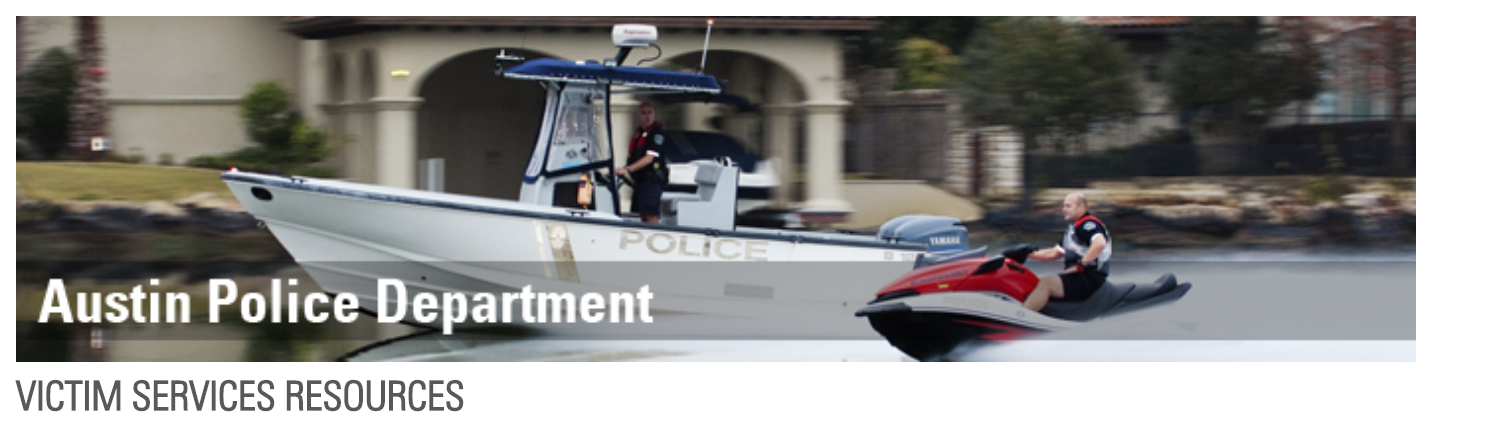
 If you aren’t from Austin, TX or Texas and/or don’t know what has been happening with rape kits from sexual assault survivors, in the short of it, we had a huge and unacceptable backlog of rape kits that had not been processed, with over 2,200-3,000 kits waiting to be tested dated as far back to the 1990’s just in Austin alone, with nearly 10,000-20,000 kits backlogged in other counties and the state as a whole. I won’t get into WHY this was happening (it’s complicated and involves a lot of factors, not just negligence and long wait times and lab contracts, but victim cooperation and a variety of other issues), but it is totally unacceptable (you can find out more information online from various news sources about this). As of April 10, 2018, all kits from Austin’s backlogs are in process or have been sent out, but now what? It was becoming painfully clear that these survivors needed services as their kits came back and their cases began the long and arduous journey of being considered and processed. APD Victim Services and SARRT realized that these survivors need services with trained trauma professionals, and got funding to train local professionals to provide evidence-based trauma treatment. Each trained professional is required to provide at least 50 pro-bono sessions to survivors of sexual assault in the three years after training. Through this program, over 3,000 pro-bono sessions will be provided to the survivors of sexual assault in the Austin and Travis County area.


 Swinging– Swinging is the most widespread form of CNM. It is heterosexually focused and used to be called wife swapping and some people call it spouse swapping. People engage in swinging behavior and “the lifestyle”online, in clubs, at conventions, on cruises, at resorts, and at parties. Peoples participation in swinging activities can be affected by age, social class, race, and locale and is focused on cis-gender people. Swinging is usually a dydadic focus (usually two people) and can be sexist (focuses on women participating, and single men often are not allowed unless accompanied by a woman or a couple). Swinging allows sexual diversity and exploration with no strings from others. There is not a lot of openness to transgender or queer sexuality in swinging culture and lifestyle.

 It’s hard to expect a woman to be mothering and be sexual, especially if she is mothering her children AND her partner.